

A Collector, Buttons, and the Vote!

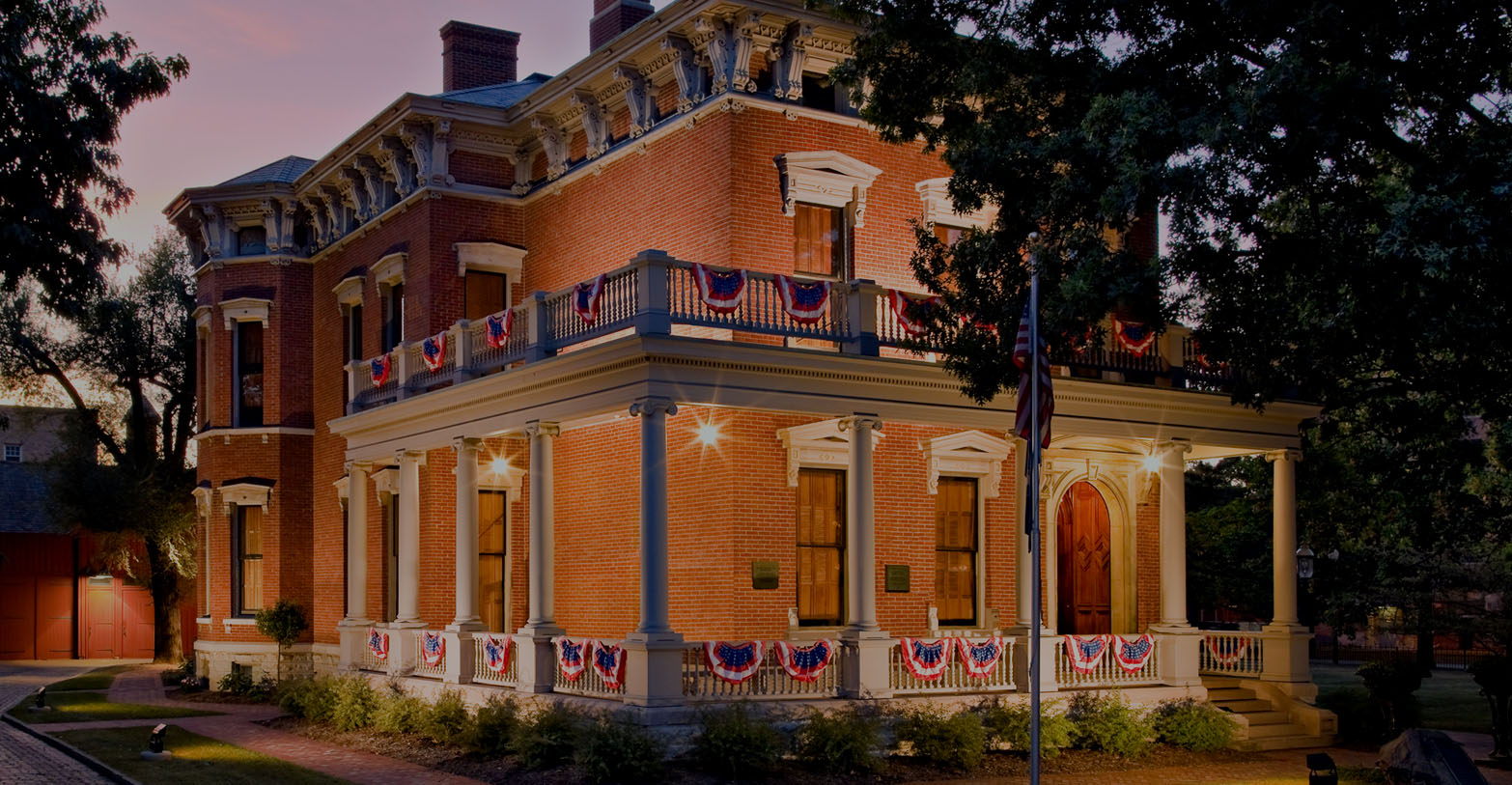
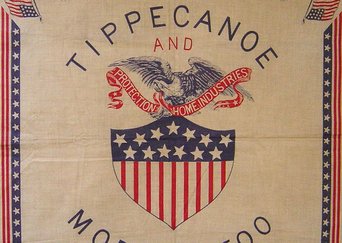
All part of the 2004 Campaigns Though the Centuries exhibit at the President Benjamin Harrison Home though November 12, 2004.

Michael McQuillen a local collector has loaned several items to the exhibit. Michael began collecting in 1976 at the age of 11 when a teacher put up a display of Ford v. Carter items for that year's campaign. At the end of the election, he gave Michael a tiny green Carter button, which began his collection. Since that time Michael has picked-up any political item that he could get his hands on! Michael says: "I was, and still am to this day, entertained by the hunt for new items." Today Michael is a member of APIC (American Political Items Collectors). APIC's website is http://apic.us

Michael commented on the changes in campaign artifacts through the years:

"Starting with the Inauguration of George Washington, and the production of Inaugural clothing buttons for that event, supporters of political candidates have used ribbons, ferrotypes, buttons, badges, and all types of small items to promote their cause. More recently, lapel stickers have begun to replace pin-back buttons at events, but I think that buttons will always have a place in political campaigns."

One of the more significant buttons in his collection is a George W. Bush "Dubya…dot eBay" button. It was given away to Delegates at the 2000 Republican National Convention in limited quantities and is a tough button to find. Through the years buttons have been produced to connect with practically every cause and group out there. When asked about these types of buttons Michael stated:

"Beginning with the Women's Suffrage movement in the early 1900s to more recent causes such as the E.R.A., various anti and pro military conflict items, and social causes have been used. In modern political campaigns, it is always a good idea to remember pet lovers, younger and older voters and lower office candidates when promoting a presidential candidate. Many of these items are especially sought after by collectors."

Modern campaign artifacts included in the 2004 exhibit Campaigns Through the Centuries show how today's culture and technology play a role in campaigning. "Yo Quiero Bush 2000" even the Taco Bell dog wants a vote today. Cat Lovers, seniors, women, ties to state candidates, how can today's politician reach every possible vote? Since today many more people are eligible to vote the politician must appeal to a wider public. In Benjamin Harrison's day you had to be male to be able to vote.

The history of voting in this country begins in 1774 at the Continental Congress meeting in Philadelphia, the Framers of the Constitution could not agree on who should be given the right to vote. As a result, the Constitution only states that members of the House of Representatives were to be elected by the people of each state who, under state law were eligible to vote for the lower house of their state legislature. This lead to many restrictions including property ownership and religious qualifications. By the end of the 1840s, almost every state government had given all white males the right to vote and only two states still had any significant property qualifications.

In 1870, the 15th Amendment was added to the Constitution just after the Civil War. It says:

The right of citizens of the United States to vote shall not be denied or abridged by the United States or by any State on account of race, color, or previous condition of servitude.

The intent of this amendment was to give black males the right to vote. Some state governments passed laws that made it almost impossible for black males to exercise their newly won right. Some of the laws enacted were:

  • Poll Taxes requiring citizens to pay a tax before they could vote. Since most former slaves were very poor, they were unable to pay the tax. In a number of the states, poor white men were allowed to vote even when they could not pay the poll tax.
  • Literacy Tests requiring men to take tests to prove that they could read and write before they were allowed to vote.
  • Grandfather Clauses limiting the right to vote to people who were descendants of those who had previously had the right to vote. This obviously did not include former slaves.

In 1915 restrictive voting laws that were enacted by state governments were declared unconstitutional by the Supreme Court, over forty-five years after the 15th Amendment had been passed. Many of the laws that limited the right of blacks to vote lasted even longer than that. Then in 1920 the 19th Amendment was ratified stating that the right to vote would not be denied on account of sex giving women the right to vote. In 1924 legislation passed making Native Americans citizens thus giving them the right to vote. During the 1960s the 24th Amendment and the Voting Rights Act passed finally making poll taxes and other restrictions illegal. Then in 1970 the 26th Amendment to the Constitution was ratified lowering the voting age to eighteen.


The right to vote has a long history of struggle in the United States. Our democracy, our rights depend on our active participation in our government system. We hope that the buttons and other items displayed in Campaigns Through the Centuries will help inspire young visitors to collect, remember history, and participate in the future of our country.

Back to Harrison Home page

Last up-dated August 10, 2004