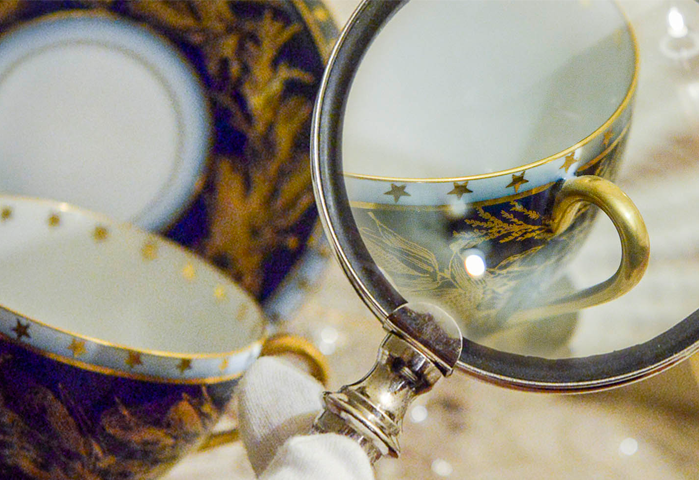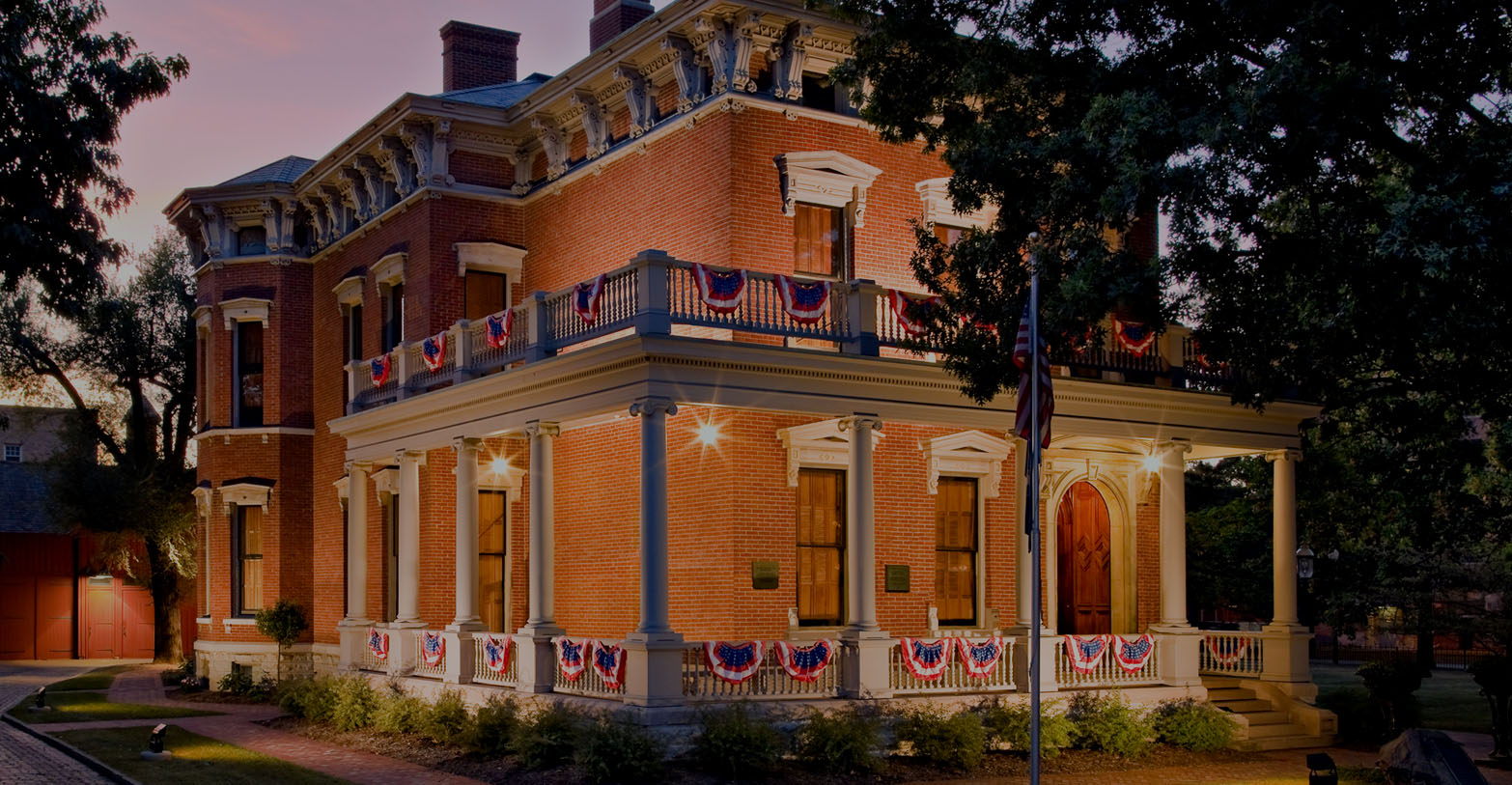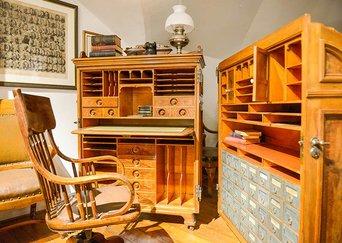

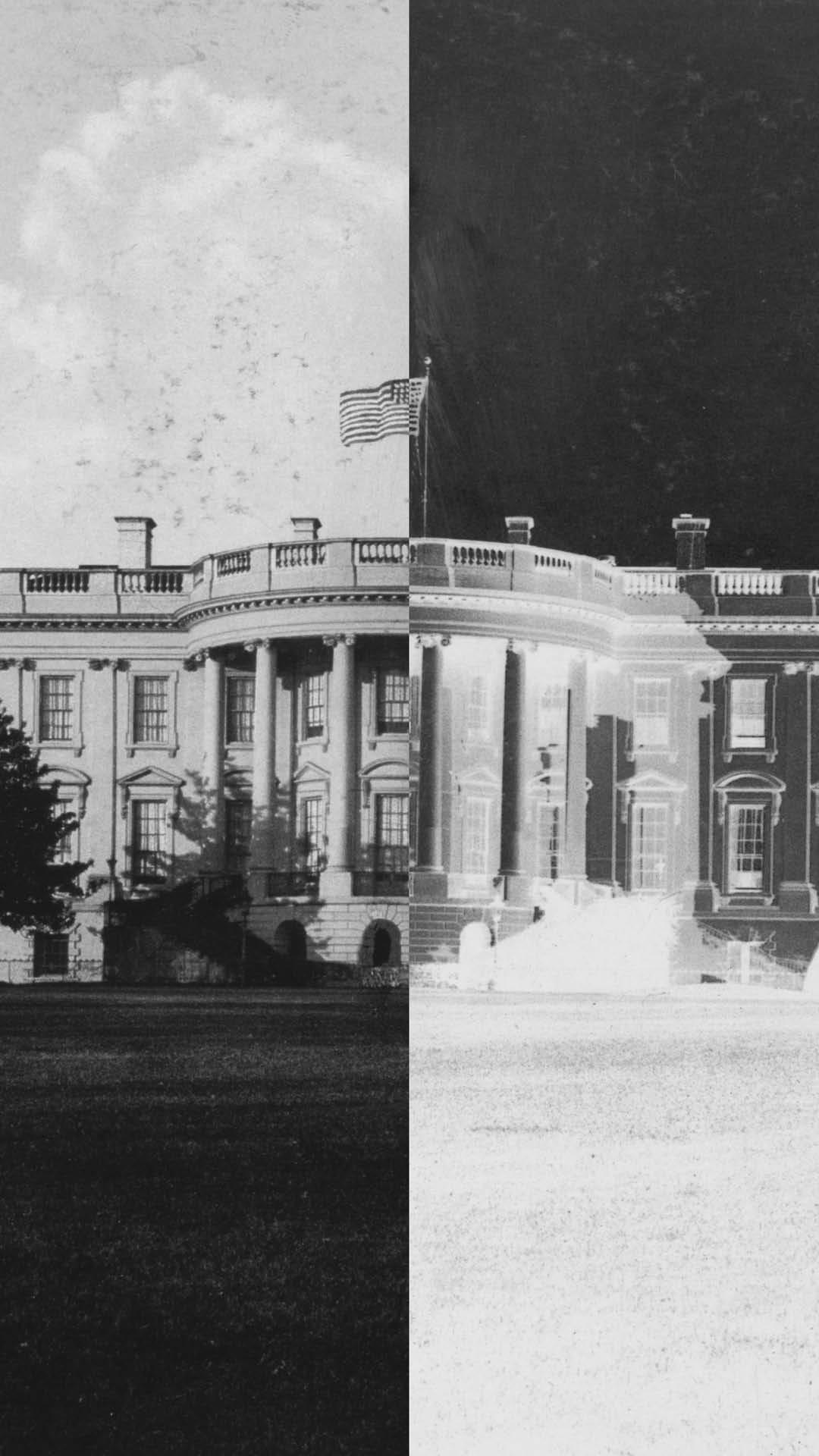

The months of November and December will see the JFK memorial exhibit on the third floor of the President Benjamin Harrison home. The staff and board are delighted by the response to the call for artifacts related to Kennedy’s presidency and funeral. Fifteen donors contributed 327 items. Thirteen of the donors lent private collection pieces.
An astounding array of memorabilia will be on display along with a DVD biography program. A Wall of Reflection will stand in the room. We invite you to use the provided note paper to post a personal note concerning your memories from the day of Kennedy’s assassination. The Harrison home staff and board would especially like to extend a warm invitation to its members and friends. This is a remarkable collection of artifacts that is not likely to be seen together again in one location.


JFK: The Assassination
The Secret Service was told on November 8, 1963, that 45 minutes had been allotted to a motorcade procession from Love Field to the site of a luncheon planned by Dallas business and civic leaders in honor of the President at the Trade Mart building. Directly behind the Presidential limousine was an open "follow-up" car with eight Secret Service agents, two in the front seat, two in the rear, and two on each running board. These agents, in accordance with normal Secret Service procedures, were instructed to scan the crowds, the roofs, and windows of buildings, overpasses, and crossings for signs of trouble.
The motorcade began its eleven-mile route at Love Field at 11:50 a.m. and proceeded through downtown Dallas to the Trade Mart building. President Kennedy was scheduled to speak at the Trade Mart at twelve noon. Crowds were thick downtown and Kennedy often stood and waved. The motorcade made a sharp left turn and headed down an incline toward a triple underpass. The Texas School Book Depository building loomed over the turn. From the sixth-floor window, there was an unobstructed view of the street below.
Shots rang out and in a matter of seconds it was over. Secret Service agents in the car behind jumped out weapons ready, but it was over. Agent Clint Hill ran to the President's car, which had started to move again after a brief pause. He leaped on to the back of the car. Jacqueline Kennedy was looking to her left and waving to the crowds. She heard a noise and a cry from Governor Connally, which caused her to look to her right. She noticed a quizzical look on her husband's face as he raised his left hand to his throat. She then heard a second shot and saw the President's skull tear and shatter. As she held her dying husband she cried, "Oh, my God, they have shot my husband. I love you, Jack." During the same few seconds, Secret Service agent Kellerman in the front seat of the car heard the President say, "My God, I am hit." He instructed the driver, agent Greer, to get out of there fast.
Warren Commission Conclusion
Based on the evidence analyzed, the Commission concluded that the shots that killed President Kennedy and wounded Governor Connally were fired from the sixth-floor window at the southeast corner of the Texas School Book Depository building. Two bullets probably caused all the wounds suffered by President Kennedy and Governor Connally. Since the preponderance of the evidence indicated that three shots were fired, the Commission concluded that one shot probably missed the Presidential limousine and its occupants, and that the three shots were fired in a time period ranging from approximately 4.8 seconds to in excess of 7 seconds.
Lee Harvey Oswald
Lee Harvey Oswald started working at the Texas School Book Depository on October 16, 1963. He was described as a loner. Discontent and not happy with any home he lived in, Oswald started to show violent tendencies. Oswald left the Texas School Book Depository about three minutes after the shooting, before the police sealed the building. He returned to his rented room briefly and was next seen being stopped by Police Officer J. D. Tippit. Tippit exchanged words with Oswald and then got out of the patrol car. Oswald shot him four times with a revolver. Oswald then dashed off going to the Texas Theater where he was spotted and the police were notified. Oswald was taken into custody and charged with the murders of Officer Tippit and President Kennedy.
JFK: Death and Funeral
Death Pronouncement
The President's car arrived at Parkland Hospital at 12:39 p.m. Agent Hill covered the President's head and chest with his suit jacket to prevent the taking of photographs. Governor Connally was lifted to a stretcher and placed in trauma room 2. For a moment, Mrs. Kennedy refused to release her husband whom she held in her lap. The President was placed on a stretcher and wheeled into trauma room 1. Doctors noted that the President was ashen in color; had slow irregular respiration; made no voluntary movements; no palpable pulse; and had a few chest sounds that were thought to be heartbeats. Doctors worked intently trying to save the President. The Warren Commission states that in the absence of any neurological, muscular, or heart response the doctors concluded that efforts to revive the President were hopeless. At approximately 1 p.m., after last rites were administered, the President was pronounced dead.
Funeral Procession
The body of John F. Kennedy would return to the White House at 4:30 a.m., November 23, 1963. The casket was placed in the East Room. The body lay-in-state in the Capital Building November 24, 1963. Eulogies to the late President John F. Kennedy were delivered in the Rotunda of the United States Capitol on November 24, 1963, by Senate Majority Leader Mike Mansfield, Chief Justice Earl Warren, and Speaker of the House John W. McCormack. The following is part of Mike Mansfield's eulogy:
"There was a sound of laughter; in a moment, it was no more. And so she took a ring from her finger and placed it in his hands.
There was a wit in a man neither young nor old, but a wit full of an old man's wisdom and of a child's wisdom, and then, in a moment it was no more. And so she took a ring from her finger and placed it in his hands.
There was a man marked with the scars of his love of country, a body active with the surge of a life far, far from spent and, in a moment, it was no more. And so she took a ring from her finger and placed it in his hands.
There was a father with a little boy, a little girl and a joy of each in the other. In a moment it was no more, and so she took a ring from her finger and placed it in his hands.
There was a husband who asked much and gave much, and out of the giving and the asking wove with a woman what could not be broken in life, and in a moment it was no more. And so she took a ring from her finger and placed it in his hands, and kissed him and closed the lid of a coffin…"
President Kennedy's funeral began at 10:00 a.m., November 25, 1963.. Mrs. Kennedy and the family came to the Rotunda. At 10:50 a.m. the casket was carried from the Capital Building to the waiting caisson. Six gray-white horses drew the casket across the city, past the White House to St. Matthew's Cathedral, and then to Arlington Cemetery. The procession stopped in front of the White House while the family and dignitaries assembled behind the caisson to walk to the cathedral. A riderless horse, Black Jack, followed behind the casket with boots reversed in the stirrups to mark the death of the rider. This was a symbol of a lost leader.
Over 200 high ranking dignitaries, heads of state, queens, and kings attended the services at St. Matthew's Cathedral and the funeral procession. Caroline and John, Jr. joined their mother in front of the cathedral. After the services they stood waiting at the bottom of the stairs as the casket was carried back to the caisson. Mrs. Kennedy leaned down and whispered to her son. John-John stood apart and raised his hand in a salute as the casket passed.
The bands resumed the march after the service, past the Lincoln Memorial to Arlington. The body was brought to its last resting-place, the bands played the national anthem. Fifty jet planes flew over, one for each state, plus Air Force One. Then Cardinal Cushing said a prayer followed by the presidential salute of 21 guns. Servicemen who had accompanied the body rigidly holding the flag over the casket folded the flag and presented it to Mrs. Kennedy after the playing of "Taps". At 3:16 p.m. the funeral services for John F. Kennedy 35th President of the United States of America concluded.
Friday, November 22, 1963
Texas Time
8:45 a.m. President Kennedy came out of the hotel in Fort Worth to greet a crowd in the parking lot. He then went back into the hotel to address the Fort Worth Chamber of Commerce at breakfast. Jacqueline joined the breakfast party.
Air Force One leaves Fort Worth for Dallas.
11:37 a.m. Air Force One touches down at Dallas' Love Field.
The Kennedy's receive a warm welcome at the airport. Jackie is presented a bouquet of red roses. They greet the crowd and shake hands.
11:50 a.m. The President's motorcade begins to roll. The crowds are thick and JFK frequently stands up to wave at the crowds. Then settles back in his seat and chats with the Connallys.
12:30 p.m. The motorcade enters the turn by the Texas School Book Depository. Mrs. Connally smiles at the President and states, "You can't say that Dallas isn't friendly to you today." The President's reply is cut short by the brutal sound of gunfire.
12:39 p.m. The car arrives at Parkland Hospital and news reports start to go out over the wire. Reporter, Merriman Smith, who was two cars back in the motorcade also arrives at the hospital. His eyewitness account states that he ran to the car. The President's was face down on the back seat. Mrs. Kennedy made a cradle around his head with her arms. Governor Connally was on his back on the floor of the car resting in his wife's arms. Blood spattered the interior of the car. Clint Hill, the Secret Service agent in charge of the detail was leaning over the car. (He is the agent that ran to the car and was helped in by Mrs. Kennedy.) Mr. Smith asked about the President's condition. Mr. Hill replied, "He's dead." The limp body and Gov. Connally are moved into the emergency room.
Doctor's work feverishly to revive the President. Mrs. Kennedy calls for a priest.
1:00 p.m. A sheet is pulled over the body. President John F. Kennedy is dead. His body is placed in a casket. Jackie wanting to leave something with her husband slips off her wedding band and places it in his hand. She tells White House aide Ken O'Donnell what she did with her ring. She wonders if she should and comments that now she has nothing left.
1:15 p.m. Dallas patrolman, J. D. Tippit, spots a man answering the description of the missing schoolbook warehouse employee, the possible assassin. Tippit goes to question the man and is shot three times and dies instantly.
1:33 p.m. A press aide announces that the President of the United States is dead.
1:45 p.m. Lee Harvey Oswald is captured and held as a suspect in the murders of patrolman Tibbit and President John F. Kennedy.
Arrangements are made to move the President's body.
2:18 p.m. The President's casket is placed aboard Air Force One.
2:38 p.m. Aboard Air Force One, Lyndon B. Johnson with Lady Bird and Mrs. Kennedy at his side takes the oath of office.
2:47 p.m. Air Force One clears the runway and heads toward Washington.
Washington Time
5:58 p.m. Air Force One lands at Andrews Air Force Base.
The President's body and Mrs. Kennedy are taken to Bethesda Naval Hospital.
7:35 p.m. The autopsy procedure begins.
Bobby Kennedy takes Jacqueline back to the White House.
O'Donnell removes Jacqueline's ring from the President's hand to return to her later.
4:30 a.m. The President's body returns to the White House.

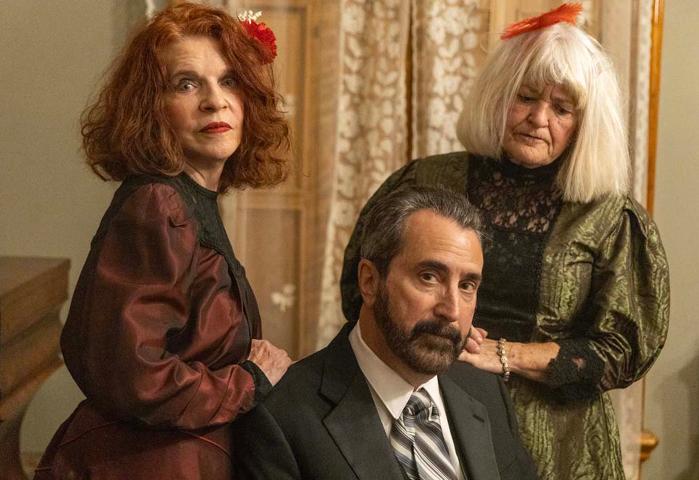
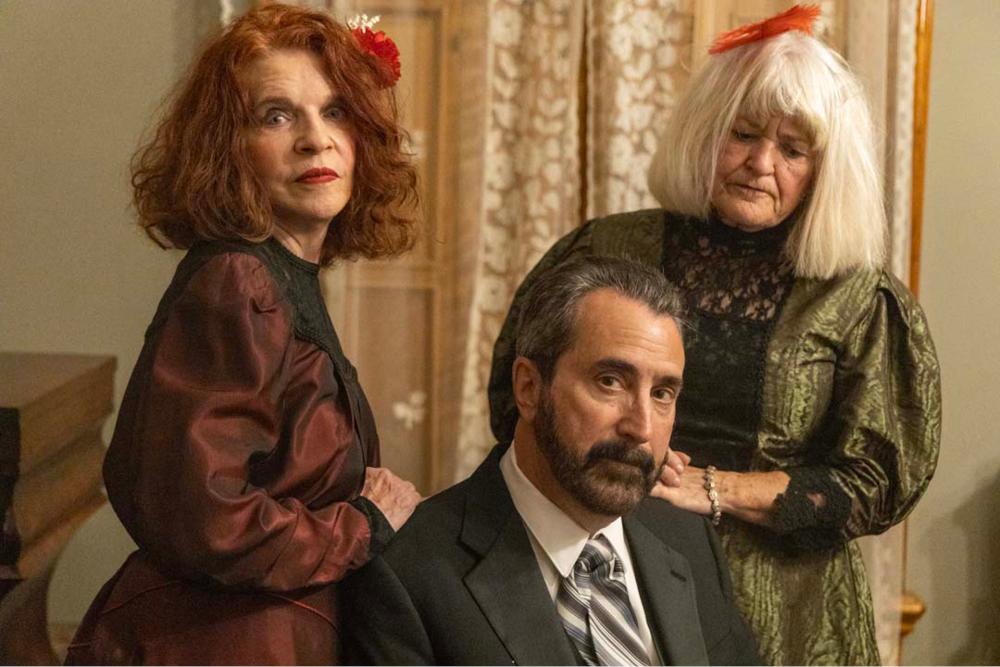
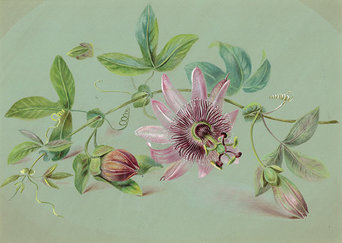
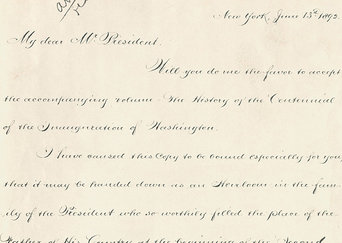
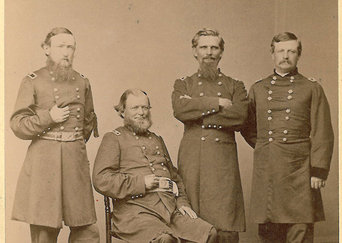
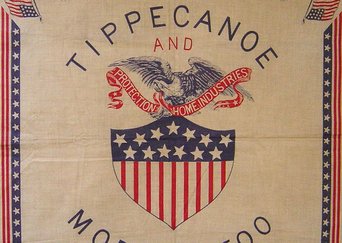
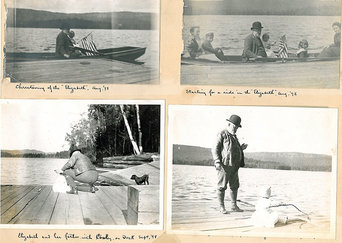
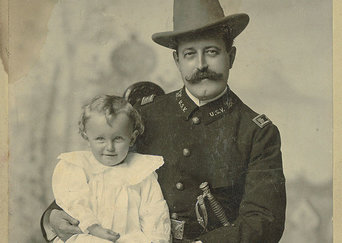
Images from the exhibit.


December 4, 2003
Return to the Harrison Home page